
The Viduthalai Chiruthaigal Katchi’s journey as a political party began when Thol. Thirumavalavan took over the mantle of the Dalit Panthers Iyakkam (DPI) in Madurai following the passing of its leader, A. Malaichamy, in 1989.
Updated – April 12, 2026 06:43 pm IST – MADURAI
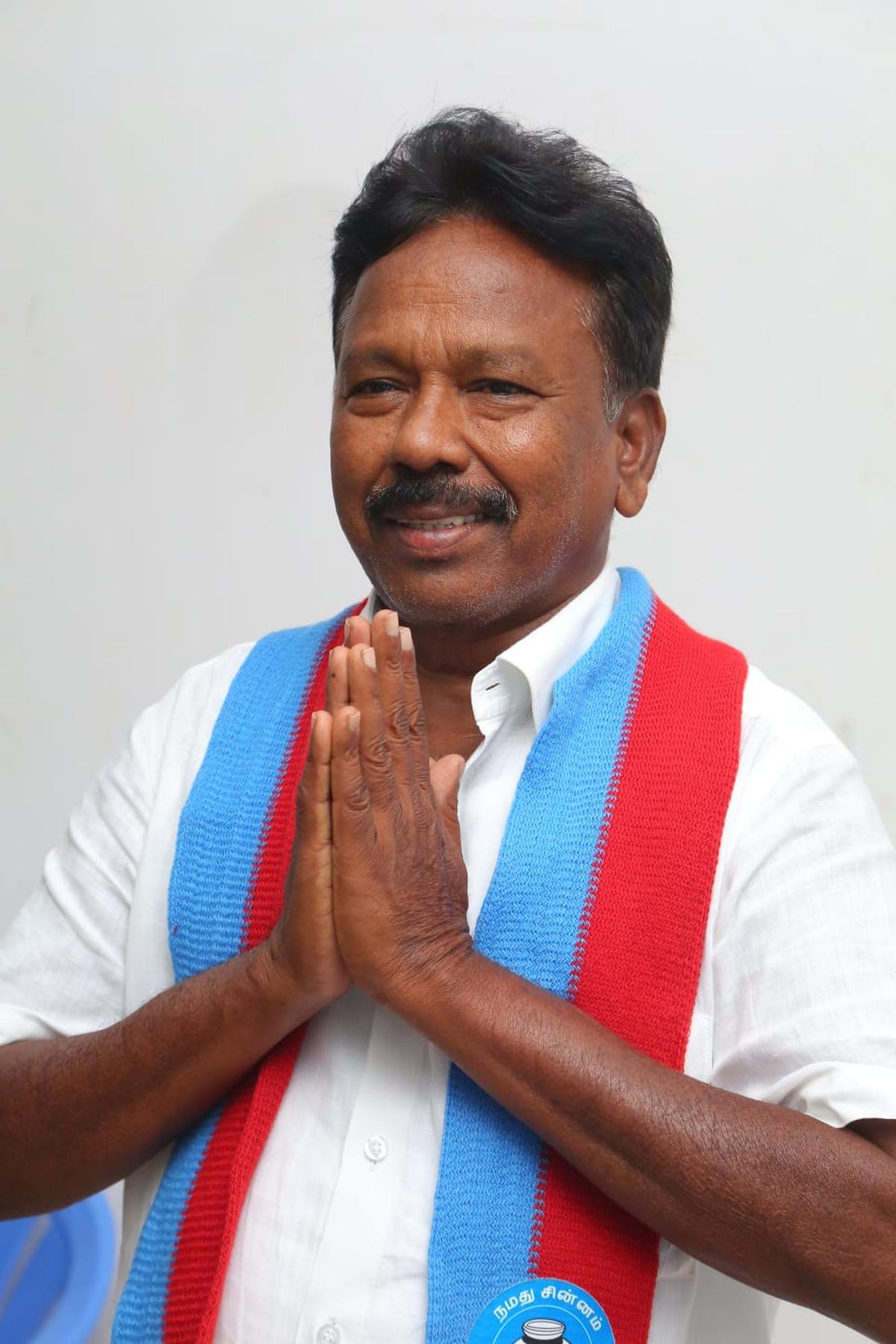
The Viduthalai Chiruthaigal Katchi (VCK), which traces its roots to the Dalit Panthers Iyakkam (DPI) in Madurai, is testing the waters in Periyakulam (SC) constituency returning to its southern origins for the 2026 Assembly elections.
The VCK’s journey as a political party began when Thol. Thirumavalavan took over the mantle of the DPI in Madurai following the passing of its leader, A. Malaichamy, in 1989.
Under Mr. Thirumavalavan’s leadership, the group was later renamed ‘Viduthalai Chiruthaigal Katchi’ and continued to operate out of its stronghold in Madurai.
However, the VCK has largely avoided the southern districts, with a few notable exceptions. These include the 2001 Assembly elections, when S.T. Kasthuri Sivasamy ran in the erstwhile Samayanallur (SC) constituency (now Sholavandan) as part of the DMK alliance, and the 2016 elections, when of the 25 seats allocated to it as part of the Makkal Nala Kootani alliance, the party contested the Manamadurai (Sivaganga) and Sholavandan (Madurai).
Apart from these exceptions where the party faced defeat, the VCK has consistently opted not to field candidates in the southern districts.
Sakthivel alias Attral Arasu in fray
The decision to field Sakthivel, alias Attral Arasu, the party’s deputy general secretary, from Periyakulam (SC) constituency this year, as part of the ruling DMK-led Secular Progressive Alliance is being viewed as a calculated strategic move. By entering this race, the VCK aims to bolster its presence in the southern belt—a region where the party is yet to secure a significant electoral victory.
According to R. Tamilvanan, the VCK’s regional secretary for Theni-Dindigul, the Periyakulam constituency — which was part of the Madurai district until 1997 — has historically served as a vital stronghold for the party’s organisational growth.
Mr. Tamilvanan said the constituency featured a diverse demographic mix of Scheduled Castes (SCs), caste Hindus, Muslims, and Christians. Periyakulam was unique because of the significant presence of SC communities — specifically the Paraiyar community— within the town limits.
He contrasted this with neighbouring Madurai, where SC populations were often restricted to rural pockets and semi-urban areas. “This distinct population pattern,” he said, “has allowed the party to effectively mobilise voters for agitations and demonstrations aimed at improving the community’s livelihood.”
According to him, “the history of struggles to uphold the rights of Scheduled Castes in this region has long placed this constituency on our priority list.”
Writer and researcher Stalin Rajangam said this move was a positive step toward refocusing the party in the southern regions.
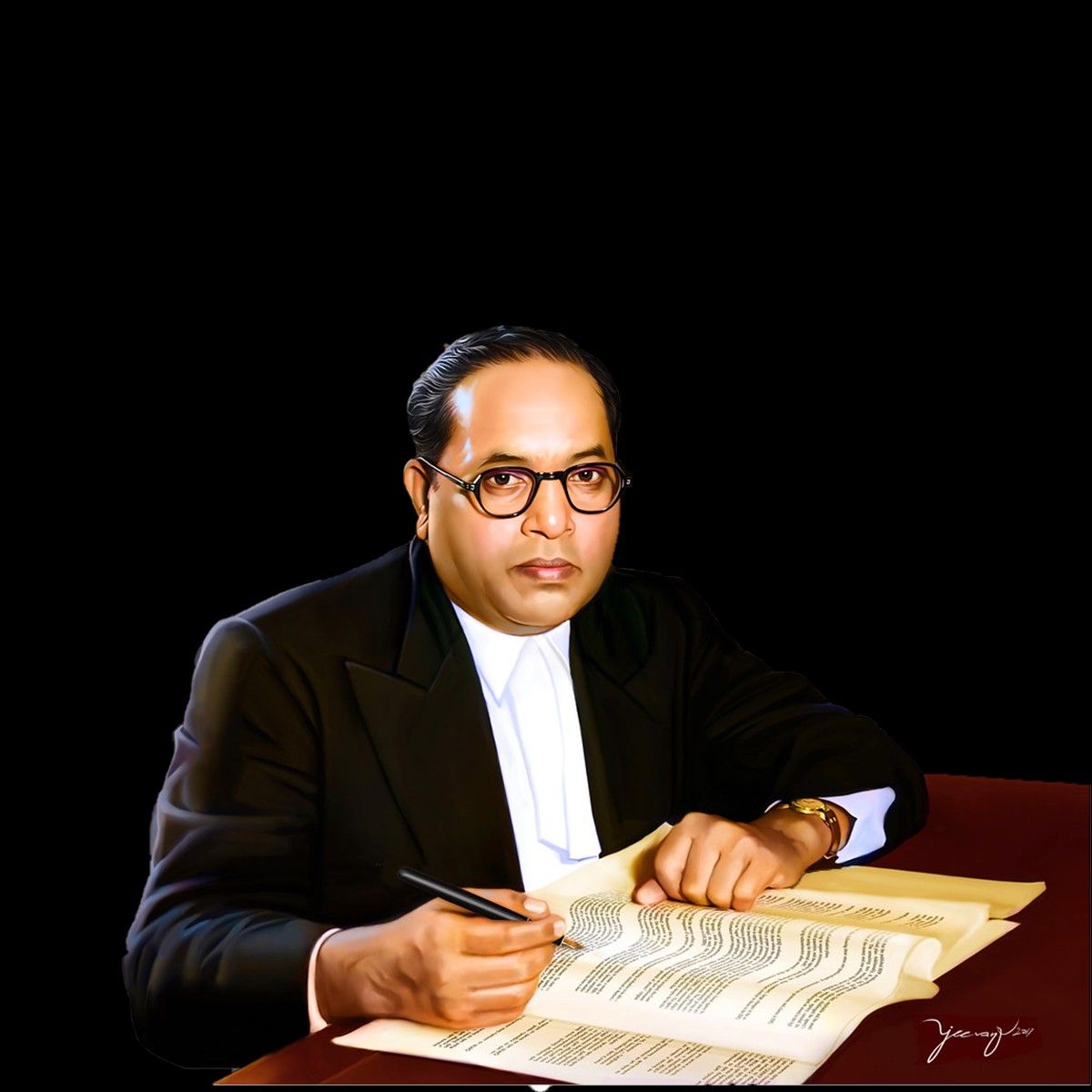
He highlighted that the VCK has already demonstrated significant influence in the area through a series of protests organised to install a statue of Dr. B.R. Ambedkar within the constituency.
“They even invited a prominent leader like [late Congress veteran and TMC founder] and G.K. Moopanar to unveil the statue. This move was seen as a complete shift from their earlier isolated stance, signalling a willingness to build connection with broader political forces while firmly asserting their identity in the south,” Mr. Rajangam observed.
Incidentally, the VCK, in its previous DPI avatar, had first entered the electoral fray in 1999 parliamentary elections in alliance with Moopanar’s TMC.
Although the region is home to a diverse mix of various caste groups, Mr. Rajangam said, adding, “The social dichotomy was not as sharp or polarising as in other parts of the southern belt.”
He elaborated that despite the presence of different communities, the historical and social fabric of Periyakulam allowed for a level of political interaction that was not strictly defined by rigid caste silos.
Further, the party benefits from fielding a candidate who has been active in the region since the DPI era.
“As a well-known figure among the local party cadre, his candidacy avoids the internal friction and seat-allocation disputes seen in other constituencies, where local workers have expressed dissatisfaction over candidate choices,” he remarked.
Mr. Sakthivel recalled the significant political support rendered by Mr. Thirumavalavan during the 2006 Assembly elections for former Chief Minister O. Panneerselvam when he contested from the Periyakulam constituency.
At that time, the VCK was part of the AIADMK-led alliance, and Mr. Thirumavalavan’s campaign in the region was instrumental in consolidating the Scheduled Caste vote bank in favour of Mr. Panneerselvam.
Mr. Sakthivel argued this historical cooperation demonstrated the party’s long-standing influence over the constituency’s results, even when they were not contesting directly. “Also, the party being a part of the larger alliance of DMK gives us the necessary momentum to secure a definitive victory in this election,” he affirmed.
நன்றி : The Hindu